
How War in the Strait of Hormuz Could Impact Hawaii
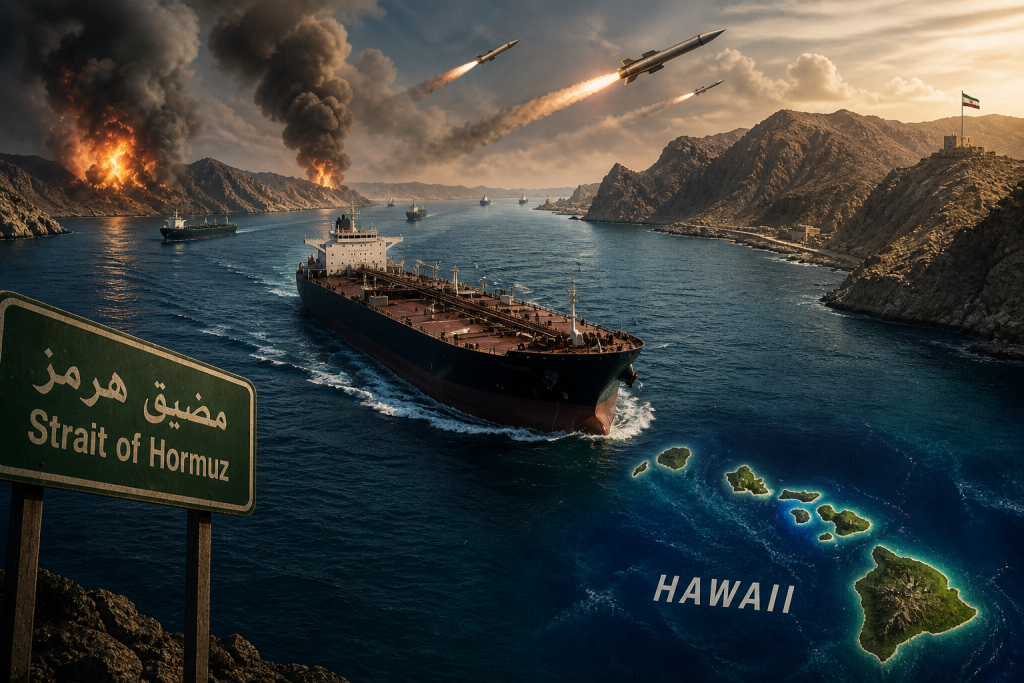
Can a narrow stretch of water on the other side of the world really impact everyday life here in Hawaii? Surprisingly, yes.
A lot of people hear about conflict in the Middle East or issues in the Strait of Hormuz and assume it has nothing to do with us living out here in the Pacific. But because Hawaii depends so heavily on imported fuel and goods, problems thousands of miles away can eventually show up here through higher gas prices, rising shipping costs, and more expensive consumer goods.
Hawaii is one of the most import dependent states in the United States. Studies estimate that Hawaii imports more than 80% of its goods, about 90% of its food, and roughly 95% of its energy resources. Most of these products arrive by ocean freight, making Hawaii especially vulnerable to global supply chain disruptions and rising fuel costs.
That’s why conflict in the Middle East, especially around the Strait of Hormuz, can have a surprisingly big impact on Hawaii residents, local businesses, trucking companies, retailers, and consumers.
The Strait of Hormuz is one of the world’s most important oil shipping routes, even if most people have never heard of it before recently. Around 20% of the world’s oil supply normally passes through this narrow waterway between Iran and Oman. When military conflict threatens tanker traffic in the region, global oil prices often spike immediately.
While the fighting may seem far away geographically, Hawaii can actually feel the economic effects faster than many mainland states because nearly everything here depends on imported fuel and imported goods.
Why the Strait of Hormuz Matters to Hawaii
The global economy relies heavily on stable oil shipments through the Strait of Hormuz. Even the threat of disruptions can cause:
- Higher crude oil prices
- Increased fuel surcharges
- Rising shipping costs
- Increased cargo insurance rates
- Delays in global supply chains
For Hawaii, these increases can quickly affect the cost of living.
Unlike mainland states, Hawaii cannot rely on pipelines, rail systems, or trucking freight from neighboring states during supply chain disruptions. Almost everything must travel across the Pacific Ocean by ship or airplane.
Rising Fuel Costs in Hawaii
One of the first impacts Hawaii residents may notice is higher gasoline and diesel prices.
When global oil prices rise, Hawaii usually experiences even higher increases because fuel must first be refined and then transported across the Pacific. Diesel prices are especially important because diesel powers many of Hawaii’s critical industries, including:
- Trucking and freight transportation
- Port operations
- Construction equipment
- Backup generators
- Agricultural machinery
- Interisland shipping
For logistics and transportation companies in Hawaii, fuel is one of the largest operating expenses. When diesel prices increase, trucking companies often need to implement fuel surcharges or raise transportation rates to offset higher costs.
This creates a ripple effect across the entire economy.
Could Consumer Goods Become More Expensive?
Yes. Rising fuel and shipping costs can absolutely increase the price of consumer goods in Hawaii.
Even if products are not made in the Middle East, fuel impacts nearly every stage of the supply chain:
- Manufacturing
- Ocean freight transportation
- Port handling
- Warehousing and distribution
- Local trucking and final delivery
As transportation costs rise, companies often pass those increases down to consumers.
That means Hawaii residents could eventually see higher prices on:
- Groceries
- Electronics
- Appliances
- Clothing
- Household supplies
- Construction materials
- Restaurant food
- Online shopping deliveries
Because Hawaii already has higher transportation costs than most mainland states, even moderate fuel increases can noticeably affect retail pricing.
Impact on Hawaii’s Tourism Industry
Tourism is Hawaii’s largest economic driver, and airlines are heavily affected by fuel prices.
Jet fuel costs often rise during geopolitical conflicts involving oil producing regions. When airline operating costs increase, carriers may respond by:
- Raising ticket prices
- Reducing flight frequency
- Cutting less profitable routes
- Increasing baggage and travel fees
More expensive airfare can reduce visitor demand, which may then impact Hawaii hotels, restaurants, retail stores, activity providers, and local employment.
Since tourism supports a large portion of Hawaii’s economy, prolonged fuel spikes could create broader economic slowdowns across multiple industries.
Shipping Costs and Supply Chain Pressure
Global conflicts can also increase the cost of ocean freight.
Shipping companies may face:
- Higher marine fuel costs
- Increased war risk insurance
- Longer shipping routes
- Delays at ports
- Reduced container availability
For Hawaii businesses that rely on imported inventory, this can create challenges with:
- Product availability
- Inventory planning
- Freight budgeting
- Retail pricing
- Profit margins
Industries such as retail, construction, food distribution, warehousing, and trucking are especially sensitive to these changes.
Why Hawaii Is More Vulnerable Than Most States
Hawaii’s geographic isolation creates unique economic vulnerabilities.
According to multiple studies, Hawaii only maintains a limited reserve of food and essential supplies on hand at any given time. Most inventory flows continuously through Honolulu Harbor before being distributed across the islands.
If global shipping disruptions become severe, Hawaii could experience:
- Faster price increases
- Inventory shortages
- Delayed shipments
- Increased transportation costs
- Greater pressure on local supply chains
This dependency highlights why global events like war in the Middle East can directly affect daily life in Hawaii.
Could Prices Come Back Down?
Oil markets are highly reactive to geopolitical developments. If tensions ease or shipping routes stabilize, oil prices can fall relatively quickly.
However, supply chain recovery often takes time. Even after conflicts cool down, transportation rates, fuel prices, and inventory costs can remain elevated for months.
For Hawaii businesses, this uncertainty makes forecasting and pricing more difficult.
Final Thoughts
Conflict surrounding the Strait of Hormuz may seem distant from Hawaii, but the economic effects can quickly reach the islands through higher fuel costs, rising freight expenses, and increased prices on consumer goods.
Because Hawaii imports the majority of its food, goods, and energy resources, the state is especially sensitive to global shipping disruptions and oil market volatility.
For residents and businesses alike, rising fuel costs are often the first signal of broader increases in the cost of living and doing business in Hawaii.
As geopolitical tensions continue to evolve, Hawaii’s economy will remain closely tied to the stability of global energy markets and international shipping routes.
